

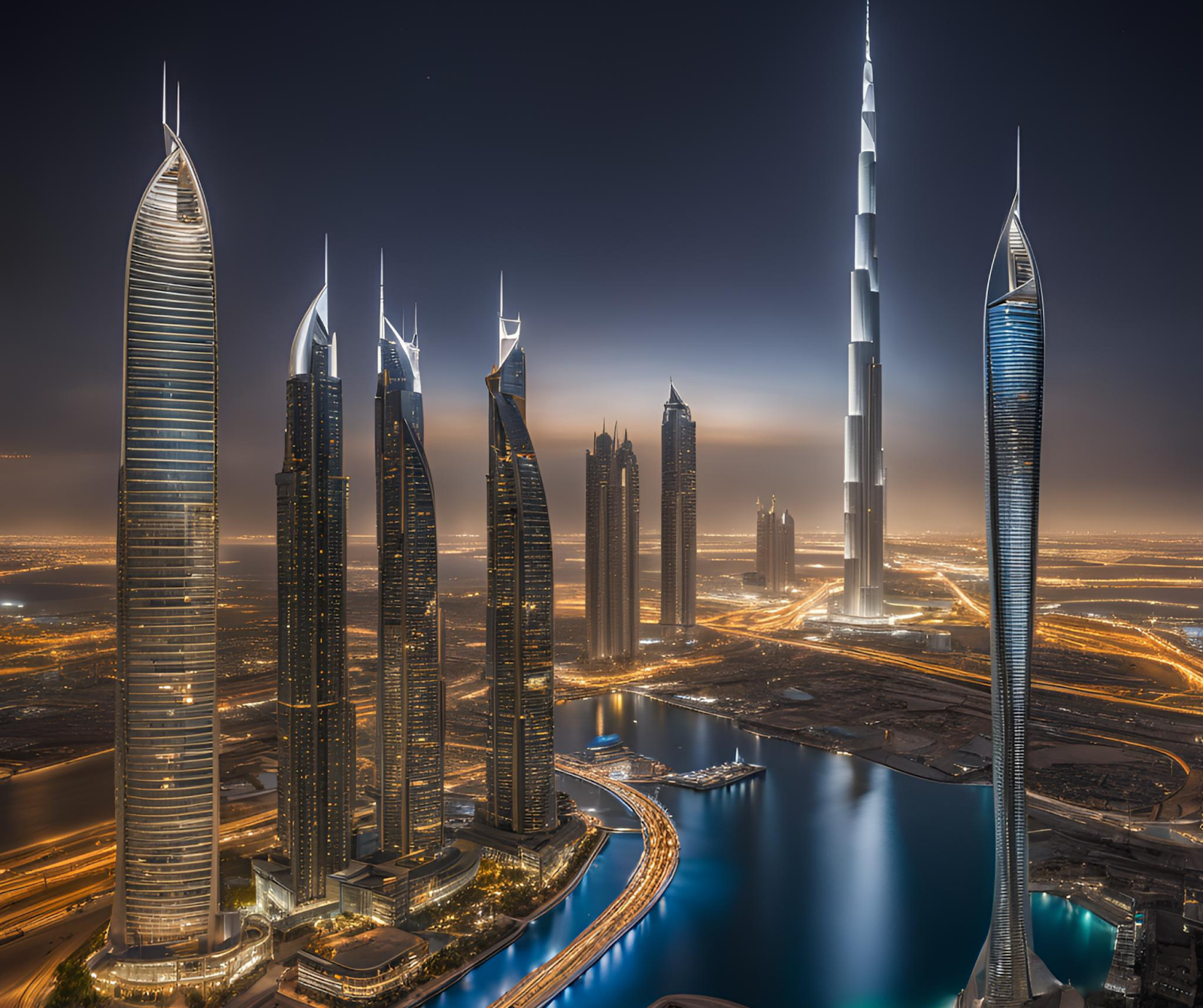
Dubai City Tower: Discover Dubai’s Iconic Landmark
Dubai is renowned for its towering skyscrapers, architectural marvels, and futuristic cityscapes. Among its collection of iconic buildings, the Dubai City Tower stands out as an ambitious vision for the future of urban development. Though still a concept, the Dubai City Tower has sparked significant interest due to its potential scale, technological innovation, and commitment to sustainable urbanisation.
A Vision for the Future
The Dubai City Tower, also known as the "Dubai Vertical City," is more than just an idea for a tall building—it's an entire vertical city concept aimed at reimagining urban living. Designed to reach an unprecedented height of 2,400 metres (7,874 feet), the tower would soar more than twice as high as the Burj Khalifa, the current tallest building in the world. Dubai City Tower represents the city’s commitment to pushing the boundaries of architecture and engineering, symbolising Dubai’s continuous pursuit of growth and innovation.
Architectural Marvel and Design
The tower’s design is inspired by a futuristic blend of practicality and elegance. The proposed structure would comprise multiple interconnecting levels stacked vertically, creating distinct "neighbourhoods" within the building. Its multi-layered architecture reflects a self-contained city where people can live, work, and relax without leaving the building. The design’s modular structure ensures that each level functions almost independently, providing flexibility and ease of maintenance. The emphasis on open spaces and green areas adds to the building’s unique appeal, offering a new way to look at high-rise living.
Advanced Technological Features
One of the most impressive aspects of the Dubai City Tower is its integration of advanced technology to support sustainable and efficient living. Proposed plans include wind turbines, solar panels, and advanced water recycling systems to minimise its ecological footprint. The tower’s vertical transport system is especially noteworthy: instead of conventional elevators, it would feature high-speed Maglev (magnetic levitation) elevators capable of travelling at speeds up to 200 km/h (124 mph). This innovation would make travelling within the tower quick and seamless, reducing the time needed to move between floors in a building of such colossal height.
Eco-Friendly and Sustainable Living
In keeping with Dubai’s focus on sustainability, the City Tower aims to incorporate eco-friendly solutions into its design. Energy-efficient systems are proposed throughout the building, aiming to reduce energy consumption significantly. With green rooftops, vertical gardens, and a water-recycling infrastructure, the Dubai City Tower would set a new standard for environmental responsibility in urban development. This emphasis on sustainability is vital as it supports Dubai’s goals to become a model for smart and eco-friendly cities.
A Self-Contained Vertical City
The Dubai City Tower is conceived as a "city within a city," accommodating residential apartments, offices, shopping malls, hotels, entertainment venues, and more. By offering all these amenities within one building, residents and visitors can enjoy a self-sustained lifestyle, reducing the need for long commutes and extensive city infrastructure. Each level, or "neighbourhood," would be designed with its own unique theme and facilities, creating a multi-dimensional experience for residents and guests alike.
This vertical approach to urban development is aligned with the increasing global interest in high-density urban planning, which can help reduce land use and promote more efficient resource distribution.
Potential Impact on Dubai’s Skyline
If realised, the Dubai City Tower would transform the Dubai skyline, becoming an emblem of the city’s architectural and technological prowess. While the Burj Khalifa has become a global symbol of Dubai’s ambition, the City Tower would take that a step further, positioning Dubai as a pioneer in vertical urbanisation. It would draw tourists, architects, and engineers worldwide, inspiring new ideas in sustainable, high-rise construction and urban planning.
Challenges and Future Prospects
Despite the excitement surrounding the Dubai City Tower, numerous challenges stand in the way of its realisation. Engineering a building of this magnitude requires breakthroughs in materials, structural support, and energy management. Additionally, the project’s financial and environmental implications must be carefully assessed to ensure long-term feasibility.
While the Dubai City Tower remains a concept for now, Dubai’s track record of executing ambitious projects provides hope for the future. If built, it would not only be the tallest building on Earth but would also redefine modern urban living. As technology advances and sustainable construction methods improve, the dream of a vertical city might one day become a reality in Dubai.
Conclusion
The Dubai City Tower exemplifies Dubai’s drive for progress and innovation, encapsulating a vision of future urban life that merges sustainability, technology, and architectural beauty. Though still in conceptual stages, it has captured the world’s imagination, offering a glimpse of what urbanisation might look like in the coming decades. As a self-contained vertical city, it could solve numerous urban challenges, reduce environmental impact, and offer a futuristic lifestyle. Dubai’s ambition and ingenuity continue to push boundaries, and the Dubai City Tower might just be the next monumental leap.
(FAQs)
1. What is the Dubai City Tower?
The Dubai City Tower, also known as the "Dubai Vertical City," is a conceptual skyscraper proposed for Dubai. Planned to reach a height of 2,400 metres (7,874 feet), it aims to be a self-contained vertical city with residential, commercial, and recreational facilities. If constructed, it would be more than twice the height of the Burj Khalifa.
2. How tall would the Dubai City Tower be?
The Dubai City Tower is proposed to be 2,400 metres tall, making it the tallest structure ever envisioned for urban development. This height would make it more than double the height of the Burj Khalifa and potentially the tallest building in the world if it is built.
3. What unique features would the Dubai City Tower have?
The Dubai City Tower would feature high-speed Maglev elevators, capable of moving at speeds up to 200 km/h (124 mph). It also incorporates eco-friendly technology such as solar panels, wind turbines, and water recycling systems. Each floor would act as a “neighbourhood,” offering amenities like parks, shopping centres, and residential spaces, creating a "city within a city."
4. Is the Dubai City Tower currently under construction?
No, the Dubai City Tower is still a concept and has not yet begun construction. While it has generated significant interest, technical and financial considerations make it a challenging project to undertake. As of now, it remains a vision for the future of vertical urban living.
5. How would the Dubai City Tower contribute to sustainable urban development?
The Dubai City Tower aims to integrate numerous sustainable features, such as renewable energy sources (solar panels and wind turbines) and water recycling systems. By concentrating multiple amenities in one location, it could also reduce the need for transportation and land usage, contributing to more eco-friendly urban living.
6. What are the potential benefits of a vertical city like the Dubai City Tower?
A vertical city like the Dubai City Tower could offer several benefits, including reduced land usage, shorter commutes, and more efficient energy consumption. By bringing together residential, commercial, and leisure facilities in one tower, it creates a self-sustained environment, potentially minimising urban sprawl and supporting higher population densities.
7. What challenges might prevent the Dubai City Tower from being built?
The primary challenges include engineering limitations, environmental impacts, and financial costs. Constructing a building of this magnitude would require advanced materials and structural technologies to ensure safety and stability. Additionally, funding such a massive project would be a significant hurdle, along with ensuring it aligns with environmental regulations and sustainability standards.


